
Invoices are basic and important documents in the business world, serving as records of sales transactions between buyers and sellers. In India, the invoicing system is crucial for maintaining transparency, ensuring proper tax compliance, and facilitating smooth business operations. There are various types of invoices used in India and united state, each serving a specific purpose and catering to different business needs. This blog explores the different types of invoices in India & US, their features, and their uses.
1. Tax Invoice and its Key Features:
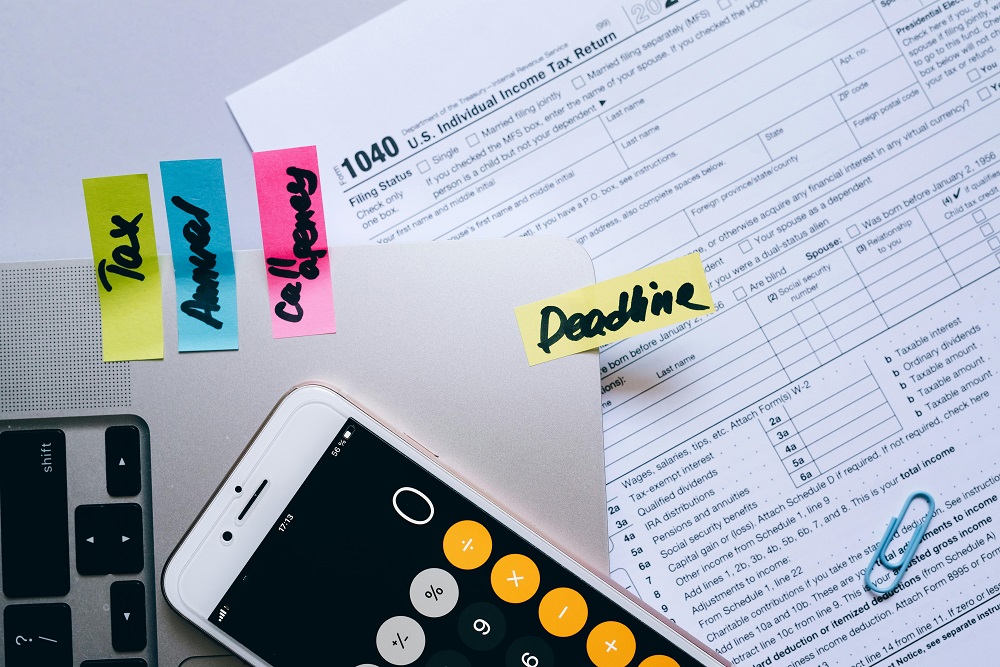
A tax invoice is the most common type of invoice used in India, issued by registered sellers to buyers for the supply of taxable goods and services. In the US, businesses issue Sales Invoices; tax is included but the term “Tax Invoice” is not typical.
- Contains details like the seller’s and buyer’s information, invoice number, date, description of goods or services, quantity, rate, total value, and applicable GST rates.
- Required for claiming Input Tax Credit (ITC) under the Goods and Services Tax (GST) regime.
Where and Why are Tax Invoices Used in India and US?
- Used in both B2B (Business to Business) and B2C (Business to Consumer) transactions where GST is applicable.
- In the United States, the term “Tax Invoice” is not commonly used in everyday business. Instead, businesses issue a Sales Invoice or Receipt that includes the sales tax amount. The US tax system is different from GST/VAT countries, so invoices are named differently
- Essential for maintaining tax records and ensuring compliance with GST laws.
2.Bill of Supply Invoice and its Key Features:
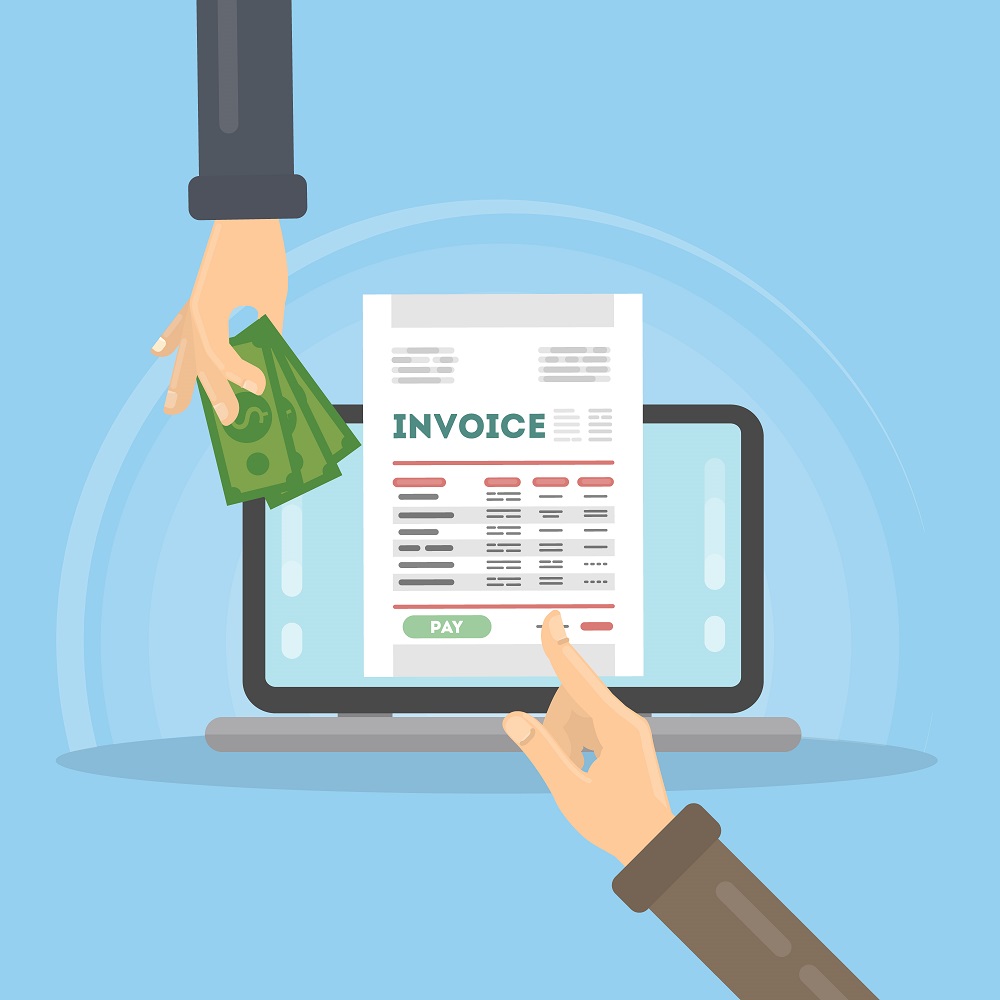
A bill of supply is issued by a registered seller for the supply of exempted goods or services or by a composition scheme taxpayer. In the US country not used bill of supply invoice. Exists mainly in GST countries (e.g., India) for non-taxable goods/services.
- Similar to a tax invoice but does not include GST details.
- Contains the seller’s and buyer’s information, invoice number, date, description of goods or services, and the total value without GST.
Where and Why are Bill of Supply Invoices Used?
- Used when GST is not applicable, such as in the sale of exempted goods or services.
- Helps composition scheme taxpayers comply with GST regulations without charging GST on their sales.
Read more: How Much to Save Per Month to Retire by 45, 55, or 65 in US
3. Proforma Invoice and its Key Features:
A proforma invoice is a preliminary bill of sale sent to buyers before the shipment or delivery of goods. Proforma invoices are also used in the US for common quotes and international trade.
- Contains a detailed description of goods or services, quantities, prices, terms of sale, and estimated total costs.
- Clearly marked as “Proforma Invoice” to distinguish it from other invoices.
Where and Why are Proforma Invoices Used?
- Used to provide a quote or estimate to the buyer.
- Helps in clarifying the terms of the sale before the final agreement.
- In the United States, proforma invoices are widely used, especially in situations where a seller wants to provide pricing and transaction details before the sale are finalized. It acts as a preliminary bill or a formal quotation, helping both buyers and sellers understand what the final invoice will include.
4. Commercial Invoice and its Key Features:
A commercial invoice is a document used in international trade, detailing the transaction between an exporter and an importer. Also use in united state like Used mainly for international shipping and customs.
- Contains details about the exporter and importer, invoice number, date, description of goods, quantity, unit price, total value, and terms of sale.
- Includes information required for customs clearance, such as the Harmonized System (HS) code, country of origin, and terms of delivery.
Where and Why are Commercial Invoices Used?
- Essential for customs authorities to determine the value of goods for import duties and taxes.
- Used to facilitate international shipping and payment processes.
- In the United States, commercial invoices are mainly used when goods enter or leave the country. It is a mandatory document for international trade and is reviewed by U.S. Customs and Border Protection (CBP).
5. Debit Note and Its Key Features
A debit note is issued by a buyer to the seller when goods are returned or when there is an undercharge in the original invoice. In US used but less common word, Equivalent term: Debit Memo in the US.
- Contains details of the original invoice, the reason for the debit note, the amount debited, and the updated total.
- Used to adjust the seller’s accounts and ensure accurate financial records.
Where and Why are Debit Note Invoices Used?
- Used to request a credit note from the seller for returned goods or undercharged amounts.
- Helps in maintaining accurate accounts and reconciling transactions.
- In the US, a debit note (or debit memo) is used when customers owe more than what was originally billed, helping businesses correct invoices and maintain accurate financial records.
6. Credit Note Invoice and its Key Features:
A credit note is issued by a seller to the buyer, acknowledging the return of goods or an overcharge in the original invoice. In US also used credit note but called credit memo used for returns/adjustments.
- Contains details of the original invoice, the reason for the credit note, the amount credited, and the updated total.
- Used to adjust the buyer’s accounts and ensure accurate financial records.
Where and Why are Credit Note Invoices Used?
- Issued when goods are returned or when there is an overcharge in the original invoice.
- Helps in maintaining accurate accounts and reconciling transactions.
7. Export Invoice and its Key Features:
An export invoice is a document issued by an exporter to a foreign buyer, detailing the sale of goods for export. Export invoice also use in US & India, Required for goods shipped outside the US.
- Contains details about the exporter and importer, invoice number, date, description of goods, quantity, unit price, total value, and terms of sale.
- Includes additional information required for export transactions, such as the HS code, country of origin, and terms of delivery.
Where and Why are Export Invoices Used?
- Used to comply with export regulations and facilitate customs clearance.
- Helps in securing payment and arranging international shipping.
- In the US, export invoices are mandatory for any business shipping goods internationally and are crucial for customs, logistics, and financial compliance.
8. Import Invoice and its Key Features:
An import invoice is a document issued by a foreign seller to an Indian buyer, detailing the purchase of goods for import. In US also use import invoice but Not a standard term.
- Contains details about the seller and buyer, invoice number, date, description of goods, quantity, unit price, total value, and terms of sale.
- Includes information required for import transactions, such as the HS code, country of origin, and terms of delivery.
Where and Why are Import Invoices Used?
- Used to comply with import regulations and facilitate customs clearance.
- Helps in securing payment and arranging international shipping.
- In the US, import invoices (usually the seller’s commercial invoice) are essential for customs clearance, taxation, and compliance when goods enter the country.
9. Timesheet Invoices and its Key Features.
A timesheet invoice is used by service providers who bill clients based on the time spent on a project or task. Timesheet invoices also use in US, Widely used by freelancers/contractors.
- Contains details about the service provider and client, invoice number, date, description of services, hours worked, hourly rate, and total amount.
- May include a breakdown of tasks and time spent on each.
Where and Why are Timesheet Invoices Used?
- Commonly used by freelancers, consultants, and other service-based businesses.
- Helps in providing a clear and transparent billing process for clients.
Conclusion
Invoices are indispensable tools in business transactions, ensuring transparency, proper accounting, and compliance with tax regulations. In India, the diversity of invoices caters to various business needs, from domestic sales and exports to service-based transactions. Understanding the different types of invoices and their specific uses helps businesses maintain accurate financial records, streamline operations, and ensure compliance with legal requirements. Whether it’s a tax invoice for claiming ITC or a proforma invoice for providing a quote, each type of invoice plays a crucial role in the business ecosystem.
This blog is for informational purposes only. Our website does not currently handle financial transactions with any one. To give us suggestions or share any information, simply email us at info@financeglide.com.
FAQs:-
What are the different types of invoices used in business?
Businesses use various invoices depending on the situation. Common ones include standard invoices for regular sales, credit invoices for refunds, and progress invoices for ongoing projects. There are also specialized invoices like proforma invoices (pre-orders) and commercial invoices (international trade).
How do proforma invoices differ from regular invoices?
A Regular Invoice Issued after a sale to request payment for delivered goods or services. It’s a legal document recording the transaction. Whereas a Proforma Invoice preliminary estimate is sent before a sale to outline expected costs and secure approval/financing. It’s not legally binding.
What is a commercial invoice, and when is it used?
A commercial invoice is for international trade only. It proves the sale and details the shipment for customs to assess import fees. Think of it as a combo of a regular invoice and a customs form.
Can you explain the concept of a tax invoice?
A tax invoice is a detailed receipt for businesses. It includes the usual breakdown (items, prices) but adds the specific taxes applied, allowing businesses to claim tax credits and governments to track tax collection.
What is a credit invoice, and when is it issued?
A credit invoice (or memo) acts like a store’s refund receipt, but specifically for business transactions. Sellers use it to fix errors on previous invoices, whether it’s crediting a customer for returned or damaged goods or adjusting an overpayment.
How are recurring invoices different from standard invoices?
Standard invoices are one-offs, issued after a single delivery of goods or completion of a service. They act as a record of that specific transaction. Recurring invoices, on the other hand, are for ongoing situations. Imagine a subscription service – instead of receiving a bill every time you use it, you get an automated invoice at set intervals (monthly, yearly) for the service.
What role do e-invoices play in modern business transactions?
E-invoices are the digital workhorses of modern business. They replace paper invoices, speeding up approvals and payments. This means faster cash flow, fewer errors (thanks to automation), and a greener business by reducing paper waste. They also provide real-time tracking for better overall efficiency.
How do purchase invoices and sales invoices differ?
The key difference between purchase invoices and sales invoices lies in their perspective, purchase Invoice is issued by the buyer to the seller. It confirms the purchase of goods or services and the amount owed. It helps the buyer track their expenses. Whereas a sales Invoice is issued by the seller to the buyer. It details the sale of goods or services and requests payment. It helps the seller track their revenue.
What are the key features of a timesheet invoice?
A timesheet invoice is a combo of a timesheet and a regular invoice. Key features include detailed hourly breakdowns by project/date, client information, calculated costs based on those hours, and set hourly rates. It clearly shows the client the time invested and the resulting bill.